
Fall Hazard Risk Assessment matrix
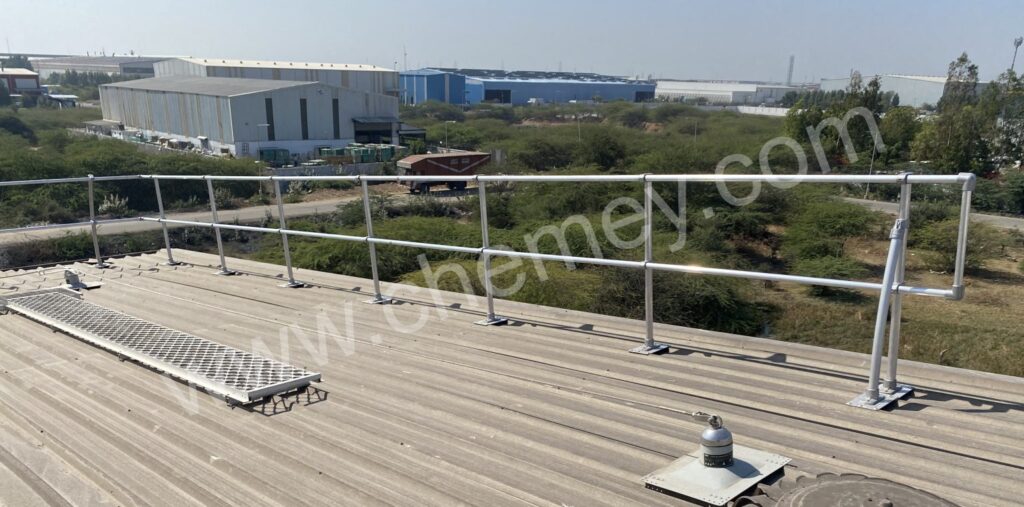
For Access Point, Unprotected Skylight, and Unprotected edges A Risk Assessment Matrix is a tool used to assess the likelihood and severity of potential hazards in a workplace and can be used to determine appropriate risk control measures. When applied to the three areas of fall hazards as per OSHA (access points, unprotected skylights, and unprotected edges of buildings), a risk assessment matrix can help employers identify and prioritize the risks associated with these hazards and determine appropriate control measures. Here’s an example of how a risk assessment matrix could be applied to the three areas of fall hazards : Risk Assessment Matrix OSHA Clause – 1910.28(b)(13) Work on low-slope roofs Risk Assessment is based on 2 factors. Severity of consequences – How life-threatening is it? Likelihood – frequency of exposure. Risk = Severity of consequences X Likelihood One should prioritize Risk Assessment based on the critical danger and how frequently workers are exposed to that area. Access Points: Likelihood of occurrence: High Severity of consequences: High Control measures: Employers should implement guardrails, safety nets, or personal fall arrest systems to prevent falls from access points. Unprotected Skylights: Likelihood of occurrence: Low to Moderate Severity of consequences: High Control measures: Employers should cover or guard skylights with a screen or railing that can withstand a force of at least 90 kgs applied at any point. Unprotected Edges of Buildings: Likelihood of occurrence: High Severity of consequences: High Control measures: Employers should provide guardrails, safety nets, or personal fall arrest systems for workers who are exposed to falls from unprotected edges of buildings. Guardrails should be capable of withstanding a force of at least 90 Kgs applied at any point. In conclusion, a risk assessment matrix can help employers identify and prioritize the risks associated with fall hazards in the workplace and determine appropriate control measures for each hazard. By implementing engineering controls like proper Access Platforms, Walkways, Guardrails, and Skylight Covers employers can help prevent falls and protect the safety and health of their workers. Workers should be trained on the use of equipment and emergency response in the event of a fall. Employers should regularly inspect and maintain equipment to ensure it is in good working condition. Would you like to know more about emerging technologies and trending solutions for fall protection when working at heights? Or Do you need a custom quote? For more information, call +91 9099033719 or send an e-mail to contact@chemey.com Follow us on Facebook | Instagram | Linkedin | Twitter
Hazard Overview – Industrial Roof
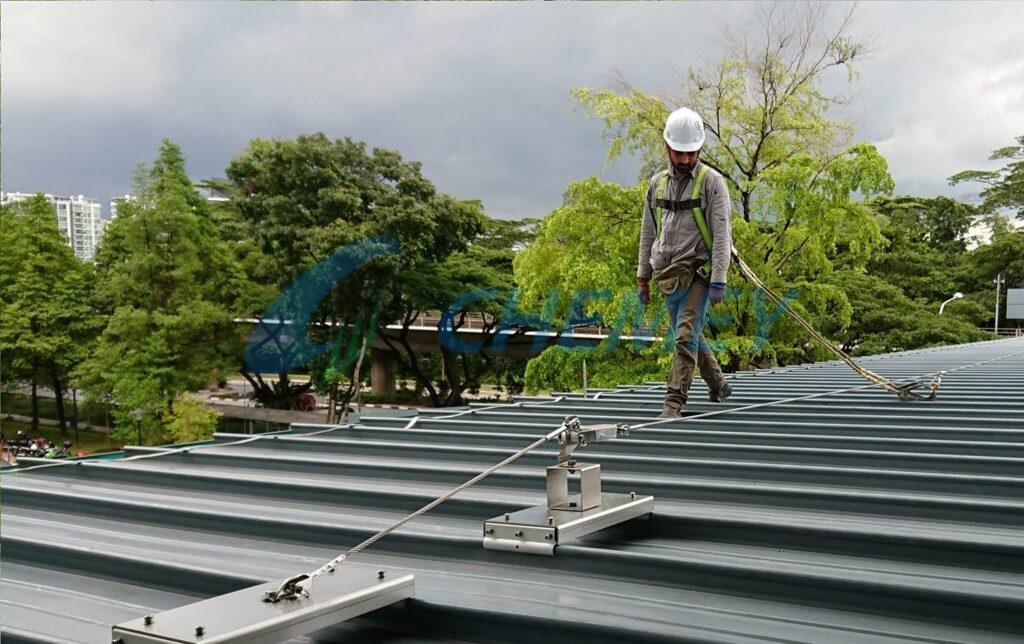
Fall hazards are one of the leading causes of workplace injuries and fatalities in the World. As per OSHA (Occupational Safety and Health Administration, USA), falls from elevated surfaces such as roofs, skylights, and unprotected edges of buildings are considered significant hazards. Here’s an overview of OSHA’s guidelines for fall protection measures related to access points, unprotected skylights, and unprotected edges of buildings: Access Points: Access points are locations where workers must climb to gain access to elevated work areas such as roofs, mezzanines, or platforms. OSHA requires that employers provide guardrails, safety nets, or personal fall arrest systems for workers who are exposed to falls of six feet or more. Employers must also ensure that access points are designed and maintained to prevent falls, including providing stable and secure ladders, scaffolds, safety gates and stairways. Unprotected Skylights: Skylights are a common feature of many roofs and provide natural light to interior spaces. However, unprotected skylights can pose a fall hazard to workers who may accidentally step on them or fall through them. Standards require that employers cover or guard skylights with a screen or a railing that can withstand a force of at least 90 kg applied at any point. Employers must also ensure that workers are trained to recognize and avoid the hazard posed by unprotected skylights. Unprotected Edges of Buildings: Unprotected edges of buildings such as roofs, edges, and balconies can pose a significant fall hazard to workers who are performing work or walking near them. OSHA requires that employers provide guardrails, safety nets, or personal fall arrest systems for workers who are exposed to falls of six feet or more. Employers must also ensure that guardrails are capable of withstanding a force of at least 200 pounds applied at any point and are designed to prevent workers from falling off the edge of a building. In summary, the law requires employers to provide appropriate fall protection measures for workers who are exposed to fall hazards such as access points, unprotected skylights, and unprotected edges of buildings. Employers must ensure that these hazards are identified, assessed, and addressed through the implementation of engineering controls, administrative controls, and/or the use of personal protective equipment. Employers must also ensure that workers are trained to recognize and avoid fall hazards and that equipment is properly maintained and inspected. CHEMEY is a trusted leader in fall safety solutions for the Industrial, logistics and manufacturing industry. Our dedicated team is here to help you tackle all areas where fall protection equipment can assist in making your workplace safer. We provide the highest level of quality and reliability in both products and guidance. Contact us today to learn more about how we can positively impact safety in your industry. Need help? Our team of professionals can guide you to find the ideal solution. We are there for you 24/7! Just call us on +91 79-26420786, +91 9099033711, +91 79-26427686 or email us: contact@chemey.com Follow us on Facebook | Instagram | Linkedin | Twitter
Protecting Elevated Spaces In Manufacturing Facilities & Warehouses : Ladder Safety Gates
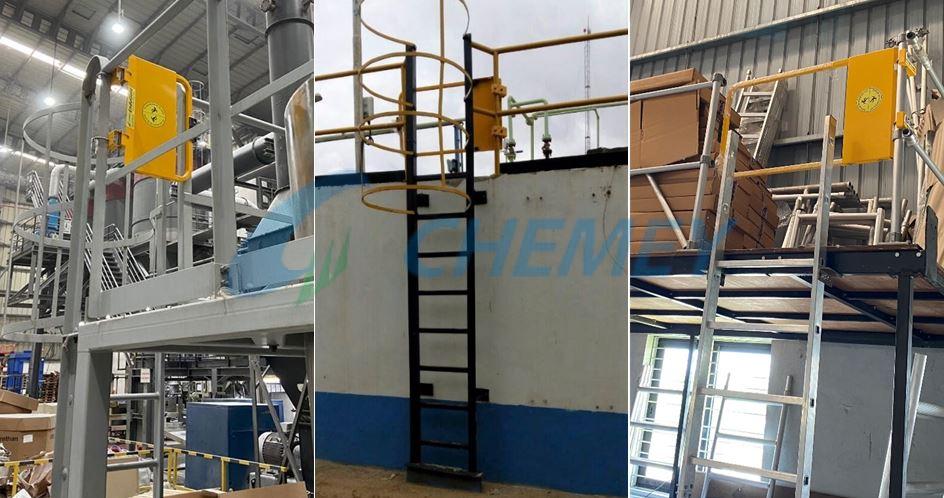
Ladders are essential in any workplace facility that uses elevated work planes, storage areas, and walkways to maximize the usable space of the facility. Most ladders used for this purpose are fixed ladders. They are permanently attached to a mezzanine, catwalk, part of the equipment, or the building itself. To comply with OSHA fall protection guidelines, there are several steps you can take to protect workers utilizing fixed ladders. Anytime workers have to climb a fixed ladder, especially when also carrying tools, equipment, or other items, there’s a risk of falls. They must be protected from falling into a ladderway employing a self-closing safety swing gate, ladder safety gates, or guardrail offset to guide employees away from the dangerincluding installing an integrated ladder safety system, providing fall arrest systems, and maintaining fixed ladders properly. OSHA 1910.23 (d) insists following for Fixed Laddersused anywhere in your facility: Ladder steps or rungs must be evenly spaced, so workers aren’t exposed to undo fall risk. Steps or Rungs must have a non-slip surface to protect employees. Fixed ladders must be strong enough to handle their maximum intended load without failing. You must keep ladder steps or rungs clear of debris and other fall hazards. Specific OSHA Fall Protection Device Requirements for Fixed Ladders A few things you should know about Fixed Ladder Fall Protection Equipment:You understand that there are serious fall hazards associated with the fixed ladders in your facility. You also need to be very careful to follow the standards for the fall protection equipment you choose which include : Ladder Safety System Ladder climbing safety systems are permanent vertical lifeline systems, that can be comprised of cable or rail. Eachfixed ladder is equipped with a ladder climbing safety system, all components must meet OSHA 1910.29(i) requirements. The ladder climbing safety system should be inspected before use and periodically based on the manufacturer’s requirements. Any worn, damaged, or otherwise, defective equipment should be taken out of service immediately. Personal Fall Arrest System This type of system is designed to stop a fall and absorb the energy before the worker comes into contact with a lower level. A typical personal fall protectionequipment consists of a full-body harness, connectors, and anchorage. It’s also imperative that the system is inspected before use regularly based on the manufacturer’s requirements, for any signs of damage or wear. Any piece of equipment that fails inspection or has been impacted, shall be removed from service immediately. Ladder Safety Gates Protecting the entrance of a ladderway is key to preventing falls in your facility. One way to do this is with swing gates that attach to the guardrail system used to protect the elevated surface the ladder leads to. A self-closing gate is a preferred method of protecting ladder entrances in most facilities. Ladder safety gates and other types of the self-closing gate must meet the general requirements per OSHA 1910.29.Whether you’re running a busy warehouse or a manufacturing facility, you need to take full advantage of every square inch of space you have. That means elevated platforms, mezzanines, catwalks, and other work areas. While you may have guardrails installed around the perimeter, your workers still need access to the space, and it’s up to you to keep them safe as they climb those fixed ladders. Fixed Ladder Fall Protection Begins with Training No matter how many Industrial safety swing gates or other safety devices you install or provide, mistakes can still lead to falls. That’s why it’s vital that you provide adequate fall prevention training for incoming employees as well as ongoing training for all members of your organization. For fixed ladders, it’s important to teach workers to: Always face the ladder. Maintain three points of contact whenever climbing a ladder. Inspect rungs or steps before use for signs of dampness or anything slippery. Inspect the fall arrest system or ladder safety system for signs of damage. Properly secure the body harness, lanyard, and lifeline, Enter and exit the ladder entrance through a self-closing swing gate- Chemey EnduGate Never over-extend/stretch yourself to the side of the ladder. Do not carry loads that can cause a loss of balance on a fixed ladder. Government authorities are very strict when it comes to requiring employers to compliance standards and regulations. However, they’re not inclined to give specific advice about which safety device or system you should use in a given situation. For that, you need a qualified safety expert like the specialists at Chemey. We’ve been a leading manufacturer of passive fall protection products, specializing in safety gates, Pallet Safety Gates for more than 5 years. Put our safety equipment expertise and industry experience to work for you to protect your employees from fall hazards in your facility and maintain your compliance. Need help? We have a team of professionals that can help you sort through each of these questions to find the right solution for you. Follow US On Facebook | Instagram | Linkedin | Twitter
Are Fall Protection and Fall Prevention Similar?
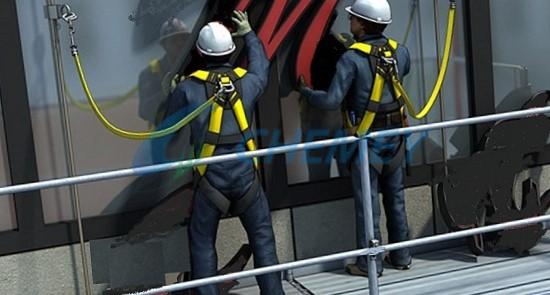
Fall prevention and Fall protection considerations are important in manufacturing industry and construction sites because falls, slips and trips are among the most common causes of work injuries and fatalities. We often use these phrases involving key words “protect” or “prevent” interchangeably. According to a dictionary, protect means “to defend or guard; to keep safe from harm or injury” while prevent means “to keep from occurring; avert, hinder.” What Does OSHA say? OSHA(Occupational Safety and Health Administration) says that 1) To prevent workers from being injured due to falls in general industry, employers must commit to No matter the height, if it is possible for any worker to fall into or onto dangerous areas, employers’ erect guardrails and toe boards to prevent falls and injuries Provide a guard rail and toe board surrounding elevated open sided platforms, floors or runways or a floor hole cover to guard floor holes into which workers could accidentally walk. 2) To protect workers: Employers have a responsibility to protect workers from exposure to serious injury or fatality while working at heights of four feet (general industry) and six feet (construction industry). Furthermore, OSHA requires that should a worker do work over dangerous equipment or machinery, the employer has a duty to provide fall protection. Providing other types of fall protection systems that may be necessary such as safety harness and line, safety gates, mobile work platforms, cross over platforms, stair railings and handrails. According to OSHA fall protection includes fall prevention, fall arrest systems, and measurements for assessing fall hazards and controls. Therefore, it is possible to think of fall protection as a global phrasing which includes fall prevention. What does fall prevention systems include? It includes systems such as (1) Guardrail Systems: Guardrail systems are passive fall protection systems used as a barrier to prevent workers from falling from a work edge to a lower level. Use these systems on various work surfaces such as rooftops, mezzanines, catwalks, etc. In addition, guardrails prevent workers from falling into holes or openings. (2) Safety Gates: Protecting the entrance of a ladderway is key to preventing falls in your facility. One way to do this is with metal swing gates that attach to the guardrail system used to protect the elevated surface the ladder leads to. Protecting personnel working above and working below a mezzanine must be protected without impeding the loading area. A mezzanine safety gate/pallet gate allows access to move materials and yet provide safe restriction to the loading area. Pallet gates open from the outside and allows pallets and other items to enter the mezzanine or platform with a forklift. (3) Barriers or Marking Systems: A hard or expandable barriers is also passive fall protection system. A warning line system includes a chain (rope or wire) and supporting stanchions is an alternative. Place the system around openings or edge of hazards to serve as a warning that workers are approaching a hazard. (4) Fall Restraint Systems: A fall restraint system is a form of active fall prevention system used to prevent falls. Fall restraint systems include using safety belts or full body harnesses which attach a worker to an anchor. Attach a line to an anchor and to the harness or safety belt so that the worker cannot fall off an edge. (5) Hole Covers: Another type of passive fall protection system is a hole cover. One type of hole cover is a skylight screen which provides a physical barrier to prevent workers or materials from falling through the skylight. Consequently, fall prevention includes steps taken to hinder an accidental fall. Employers need to eliminate or limit access to fall hazards and train workers. Fall prevention is an important element in fall protection. Fall Restraint A fall restraint system stops workers from falling by using a tether which restrains a worker’s range of motion. The worker is not allowed to move far enough to reach a leading edge. Fall Arrest Systems Another type of fall protection is fall arrest systems. Fall arrest systems protect a worker after a fall by stopping the fall before the worker hits the surface or hazard below. One type of fall arrest system is a full body harness connected by lanyards or lifelines to a secure anchor. Another type of fall arrest system is safety nets. Conclusion Finally, protecting workers from falls and preventing workers from falls go hand in hand. Whether the preference is to use fall prevention or fall protection, the overall important aspect is worker safety with fewer injuries and fatalities due to falls. We offer various fall protection products including guardrail systems, safety gates, skylights, Barriers, warning lines and keep workplaces safe during routine operation and maintenance.