
Enhancing Workplace Safety with EnduRail Railing – A Customizable Handrail Solutions
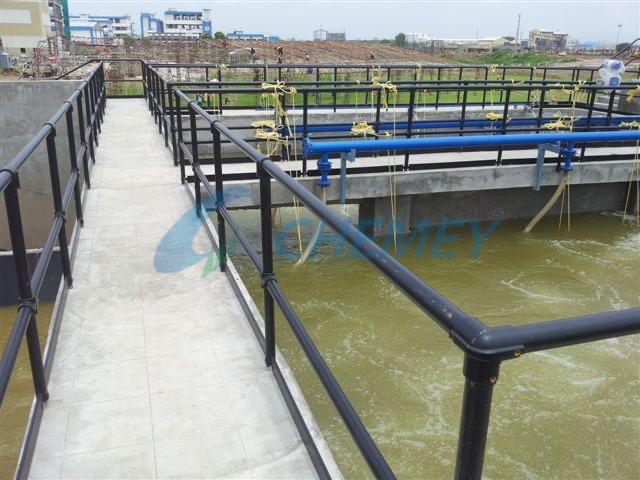
Creating a safe work environment is critical to the success of any business. Unfortunately, some companies choose the wrong products when it comes to implementing safety protocols. That’s where Chemey comes in. Our EnduRail Railing – Customizable handrail solutions are designed with ease of use, keeping its modularity. Our products do not require welding, making them easy to configure and assemble. With EnduRail, you can have peace of mind knowing that your workplace is safe and secure. We will discuss the importance of handrails and guardrails in the workplace and how EnduRail railing solutions can enhance workplace safety. Guardrails are an essential component of workplace safety. They are designed to provide a barrier between workers and hazardous areas. Guardrails can be used in various settings, including construction sites, manufacturing facilities, and warehouses. EnduRail railing is a leading brand of guardrails that provides maximum safety and security for workers with an aesthetic look and inbuilt safety. The EnduRail system is made of high-quality Aluminium alloys that are durable and require little or no maintenance. It is also customizable to fit the specific needs of different workplace areas, making it an ideal choice for companies looking to enhance their safety protocols. Handrails are another crucial component of workplace safety. They provide additional support for workers, especially in areas where there are stairs or elevated platforms. Customizable handrail solutions allow companies to create handrails that are tailored to their specific needs. For example, handrails can be designed to fit around machinery or to provide support for workers with disabilities. Handrails are also made of high-grade Aluminium alloy that can withstand saline and other corrosive environments, ensuring long-term safety for workers. When it comes to workplace safety, there is no one-size-fits-all solution. Every workplace is unique, and safety protocols must be customized to fit the specific needs of each workplace. This is where customizable handrail solutions come in. EnduRail can provide handrail solutions that are tailored to the needs of different industries and workplaces. EnduRail modular handrail solutions allow companies to create handrails that are safe, effective, and fit seamlessly into their work environment. In conclusion, handrails and guardrails are essential components of workplace safety. EnduRail railing and customizable handrail solutions are options that can enhance workplace safety by providing maximum protection for workers. By prioritizing workplace safety and investing in Endurail Modular safety solutions, companies can not only prevent accidents and injuries but also improve productivity and employee morale with the lowest lifecycle cost of capital investment. Need help? Our team of professionals can guide you to find the ideal solution. We are there for you 24/7! Just call us on +91 79-26420786, +91 9099033711, +91 79-26427686 or email us: contact@chemey.com Follow US On Facebook | Instagram | Linkedin | Twitter
How to Make the Right Choice When Buying or Installing Guardrail?
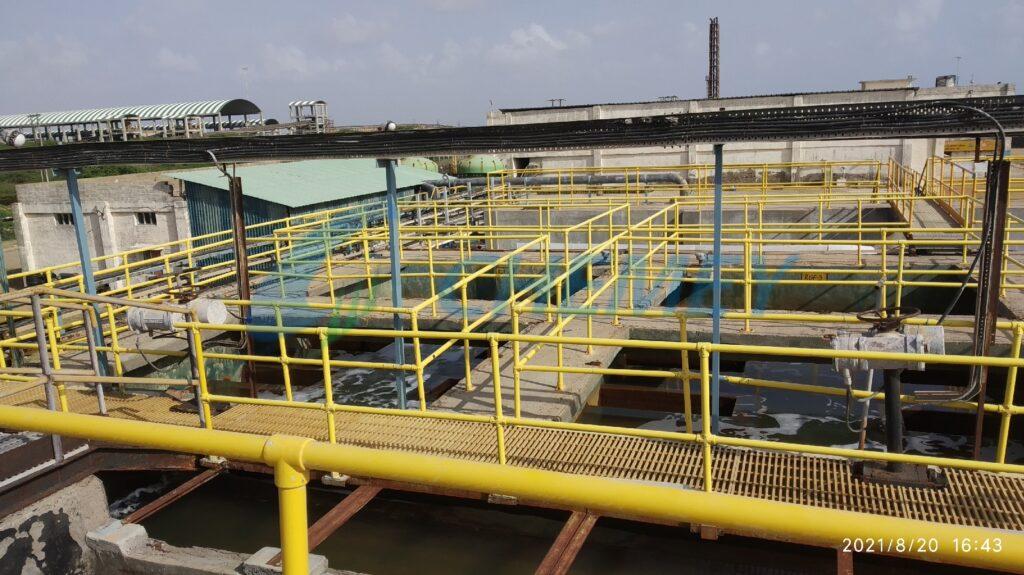
What do you do when you need something? You Google it right! When you need a guardrail, selecting the suitable barrier requires more involvement than initially expected. It can be overwhelming with so many options. You find out that there are so many options available. GI, SS, FRP Aluminum, Welded, Non-penetrating, … The possibilities go on. With all of this in front of you, how do you make the right choice? You should consider many points and features available while you make this decision. 1. What is the application of the guardrail?2. Where do you need the guardrail?3. how long do you need the guardrail to last?4. What codes apply to your guardrails?5. How fast do you need the guardrail to install?6. How do you want the guardrail to look? We’ll review each area you should consider while making this decision. 1. What is the application of the guardrail? It’s a simple question but an important one. There are a few factors that will change the type of guardrail that you need.If you need the industrial guardrail for protection, then you need to make sure that the guardrail meets the standards applicable to you, like BIS, OSHA, or EN. The type of protection you need would also change the guardrail you want. We suggest using a 40 NB Structural Fittings based modular pipe guardrail for fall protection. However, the size and code will change if you want a more robust barrier system to protect people from forklift traffic. If you need to use it as a warning line, then the requirements are easier to manage by light duty handrail. Then it would help if you considered whether the guardrail would be temporary or permanent. For example, if you plan on taking the guardrail down when the work is done, then you want to focus on temporary guardrails like a parapet clamp guardrail or temporary guardrail. On the other hand, if you wish for the guardrail to remain in place so that the working or walking surface is always protected, then you want a system designed to stay in place. 2. Where is the guardrail going? The most common locations that we see are STP, ETP, WTP, Industrial Buildings perimeter, Solar rooftop, and machine guarding. Other potential sites include a mezzanine, a dock, or inside a warehouse. Each location has its own set of considerations that would change the guardrail you choose. Weather plays a role in the system that you choose. Saline and water-rich areas, corrosive gas fumes, snow, and heavy rain will corrode the material if you don’t choose carefully. If you live in a windy area, you’ll want to ensure that any system is designed to meet your local requirements. Ensure that you take this into account so that you don’t have a guardrail flying off your structure, damaging equipment, or, more importantly, putting lives at risk. The roof material will influence how you want to mount a guardrail. If you have a roof warranty, you don’t want to lose it by poking holes in the roof. If you don’t have a roof warranty, then you don’t want to exasperate potential roof leaks by poking holes in the roof. A complete modular aluminum lightweight guardrail constructed from tube clamp fittings is an ideal solution. 3. How long do you need the guardrail to last? You may think this is a meaningless question, but I see the answer to this is ignored more often than you realize. A cheaper short-term solution will cost less initially, but when you consider money, energy, and time spent on maintenance and replacing that mean stuff, it becomes more costly. Guardrail is not immune to this problem. Some options are temporary and used for permanent solutions because they are cheaper. However, those savings come at a cost. Powder-coated steel will not last as long as galvanized steel, and you will have to replace the railing sooner than you expect. Welding has pros and cons as well. The weld points will be an area of accelerated corrosion despite galvanization. Aluminum and SS 316 do not rust and provide a better life in a humid and corrosive environment. If you only need it for a year or two, then buying a lower-quality option may make sense. However, if you want something that will protect people long, you need to stop and ask yourself if the option you’re considering will do just that. 4. What codes apply to your guardrail? We found a lack of understanding, most often in this area. We noticed in India IS 4912 code is ancient and needs updating as per OSHA or EN code. They talk about a lot and set the minimum safety standard that employers must provide. For rooftops, we do not have any set standards. Edge protection and safety in roof work require an area of consideration. Check your local regulations and company standard to select the correct guardrail.You might have a presumption that welded railing only offers good strength. Still, proven evidence is that EnduRail built from Structural Fittings and slip-on pipe fittings, has surpassed the load requirement of OSHA and EN standards if configured correctly. 5. How fast do you need the guardrail to install? Installing guardrails is part of project management. Procurement and execution both involve proper detailing. Mild steel welded guardrail needs site welding, grinding, and post-fabrication sandblasting and painting. All are time-consuming and skilled staff requirement jobs. Prefabricated GI railing management is not easy. You have to consider volume management and transit damages. If a small part needs modification or procurement, the handover process will get delayed and, in turn, project. A modular aluminum guardrail system is easy to procure, manage and install without a skilled workforce. Procure structural fittings and pipes in pre-coated finish and start the installation as the project progresses. On-site modification and dismantling are also easy if required. 6. How do you want the guardrail to look? Why does the look of the guardrail matter if safety is the only important thing?