
The Importance of Safety Gates in Enhancing Workplace Safety
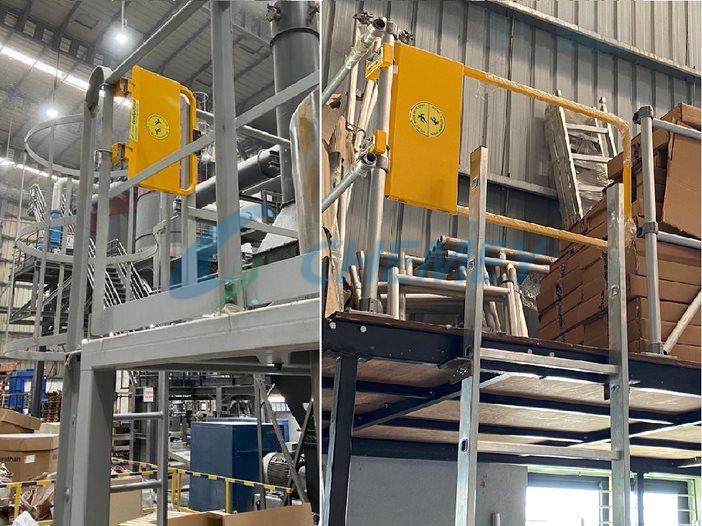
Safety gates are a crucial component of any workplace safety plan, as they can help prevent accidents, injuries, and fatalities. In this blog post, we will discuss the importance of safety gates, the different types of gates available, and how they can enhance workplace safety. Importance of Safety Gates Industrial swing gates are an effective and easy-to-install passive fall protection solution for a variety of industrial and commercial settings. Safety gates provide a barrier that prevents unauthorized access to restricted areas, machinery, and equipment. They can also help prevent falls from elevated areas and provide protection from hazardous materials. Safety gates are an essential component of any safety plan, as they can help prevent workplace accidents, injuries, and fatalities. They are also a cost-effective way to comply with safety regulations and standards. Here are some benefits you can expect from implementing industrial swing gates in your facility in different work areas: ROOFTOP SAFETY Workers who spend time on the roof completing tasks or doing inspections should be able to do so without the unneeded risk of injury or death. Installing Industrial swing gates is the best way to mitigate the risk of rooftop accidents occurring. An industrial swing gate should be used on all rooftop entrances for two reasons: One, they provide workers with an added layer of fall protection when entering and exiting the building. And two, they give authorized staff peace of mind that they can work to the best of their ability without the risk of falling unprotected. WALK AREA PROTECTION Industrial safety gates are the ideal solution for creating safe walking areas throughout your location. Many times, industrial buildings are filled with hurried activity. There’s a good chance that vehicles will be transporting materials, heavy machinery will be running and large amounts of material will be moving from place to place. Workers will need to be able to walk through the facility safely; gates can be used to create a designated walking path. The safety gates will keep the walkway protected from problems that could arise due to vulnerability. MAKE LADDER OPENINGS SAFE Ladders can be used in a variety of workplace settings to help complete important tasks, but can create some additional height risks for your employees. Consider investing in industrial safety gates for all ladder openings. When not in use, your ladders will remain secure. Installing industrial swing gates will simply add that extra layer of protection for your workers. GUARD YOUR ASSETS It’s not unusual for businesses to install swing gates for property protection. Industrial equipment and machinery are expensive and big investments that could affect the future of a company. All steps should be taken in an effort to keep these assets safe from damage. Swing gates can be used to prevent access by keeping all of your expensive equipment protected from incidentals or unauthorized usage. These gates can also be used to keep people from getting too close to dangerous machines. EXTRA PROTECTION FOR INDUSTRIAL ELEVATORS Safety gates are very effective with heavy-duty elevator use. Most elevators used in a warehouse or factory will be much longer than your standard consumer elevator. Due to the increased possibility of danger when riding inside of an open-air elevator, it is best to install safety gates to add that extra level of protection. This will greatly reduce the chance of an employee falling out and getting hurt. TYPES OF SAFETY GATESThere are several types of safety gates available, each designed to fit specific applications and needs. Chemey provides a range of safety gates, including: INDUSTRIAL SAFETY GATESIndustrial safety gates are designed for heavy-duty applications and can withstand harsh environments and extreme weather conditions. They can be custom-built to fit specific applications and can provide safe access to restricted areas, machinery, and equipment. Universal Safety Swing Gate Safety swing gates are an excellent solution for providing safe access to elevated areas, machinery, and equipment. They can be installed on stairs and other elevated platforms and can swing on one side to provide a clear pathway for employees.EnduGate self-closing gates are designed to provide an extra layer of safety by automatically closing behind employees as they pass through. They can prevent unauthorized access to restricted areas and provide protection from falls or restrict approach to Hazardous situations. It is available in 25 mm Square pipe structure with the ability to fix on any type of post up to 50 mm size. Adjustable Torsion Spring Gate This is similar to Universal Safety Spring Gate and is designed to provide an extra layer of safety by automatically closing behind employees as they pass through and having a mechanism for controlling the reversal speed. It is available in two pipe sizes – 33 and 42 mm OD pipes. The Spring is checked for 50000 cycles of repeated opening and closing operation as per BS 6375-2:2009. PALLET SAFETY GATE Pallet safety gates are designed to provide safe access to loading docks and other elevated areas where pallets are loaded and unloaded. They can prevent falls from elevated areas and protect hazardous materials. ENHANCING WORKPLACE SAFETY Safety gates are a crucial component of any workplace safety plan. They can help prevent accidents, injuries, and fatalities by providing a barrier that prevents unauthorized access to restricted areas, machinery, and equipment. They can also protect hazardous materials and prevent falls from elevated areas. By investing in safety gates, businesses can ensure that their employees work in a safe and secure environment. The benefits of safety gates will go further than just preventing accidents. It’s common for properly installed safety gates to actually increase productivity in the workplace. Employees who work in an environment that is properly equipped with safety gates have more freedom and confidence when completing tasks. In conclusion, safety gates are an essential component of any workplace safety plan. Chemey provides a range of safety gates, including industrial safety gates & pallet safety gates, that can be customized to fit specific applications and needs. By investing in safety gates, businesses
Make Sure Your Workplace Is Up To OSHA Compliance on Fall Safety
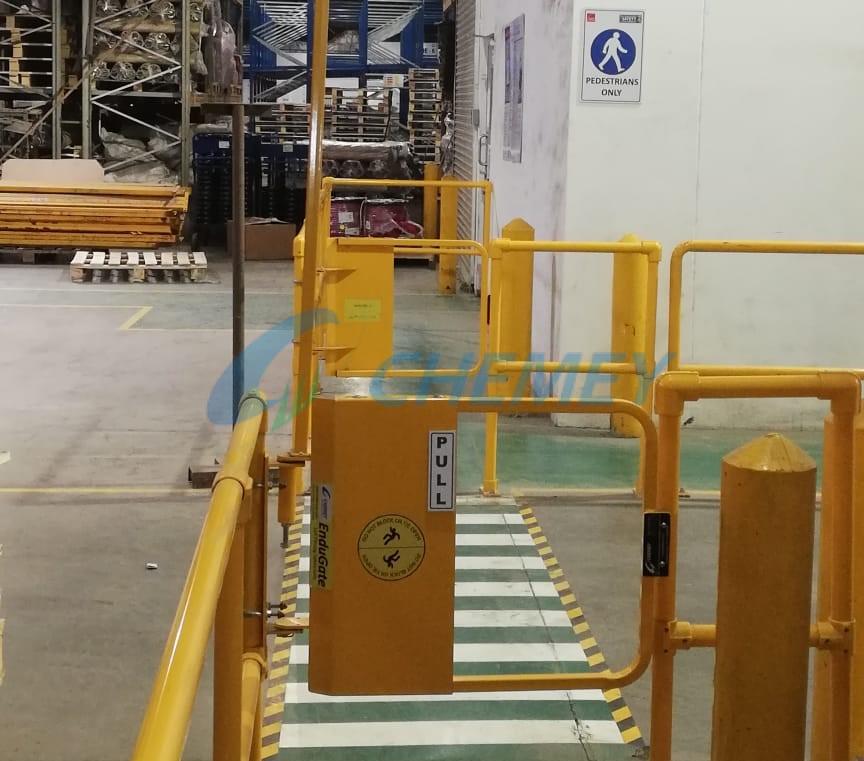
The effects of the COVID-19 pandemic impacted every industry. Now that the economy has seen a significant rebound, manufacturing and oil & gas production are in full swing again. Safety measures are critical now more than ever, and particularly those pertaining to fall safety. While addressing the danger of falls is critical in all workplaces, it’s a particular concern in chemical, oil/gas refinery, cement, and many other heavy manufacturing facilities. Continuous process facilities are bustling, structurally complex, and full of hazards subject to a variety of Safety regulatory requirements. There is dangerous equipment on-site, regular shipping and receiving through busy loading docks, and many elevated areas where fall risks are more present. WHAT MAKES FALL SAFETY SO IMPORTANT? Every accident has many consequences, the most important being that no employer wants to see workers hurt. Lack of safety compliance mean a potential work shutdown, and lost profits. Every slip, trip, and fall adds up to millions of lost workdays in a year. The independent survey estimates that about 20 percent of worker injuries in industry are due to slips, trips, and falls. Proactively creating and supporting a culture of safety in your workforce is vital, but simply reminding workers to watch their step is not enough. Fall protection equipment, including specialized pieces such as an adjustable safety gate or swing gate, is essential for ensuring worker safety and keeping production moving. To help you to understand and implement proper fall protection, let’s examine the top fall risk areas in industry/refinery facilities, then consider if your company has fully addressed each of those risks. AREAS OF FALL RISKS IN WORKPLACES A Manufacturing industry/ Refinery includes several important areas which present fall hazards. Regulations do not always specify which equipment you are required to use in each situation. But OSHA guidelines provide requirements that the gates and other equipment you choose must meet in each area: LADDERSLadders, either portable or affixed, are a common fall safety risk which OSHA addresses under 1910.23 – Walking-working Surfaces: Ladders. Each employer must look at situations where ladders are being used and identify the fall hazard associated with it. For example, fall protection is usually not required for a step ladder, but it will be if that step ladder is used on an elevated platform or in an area adjacent to an unprotected edge. Fixed ladders, like those commonly used in oil refineries, also need fall protection, like guardrails fitted with an industrial safety swing gate to provide access control and fall safety. ROOFTOPS AND ROOF ACCESS AREAS Workers may need to access your rooftop for maintenance, cleaning, or to perform work on rooftop machinery. Skylights, roof edges, and even stairways require protection to properly manage rooftop access. The railing and safety swing gate that protect each of these areas must have a height of 1050mm (plus or minus 75 mm) from the walking/working surface that they’re installed on. They must be capable of withstanding 90 kg of downward force upon the top rail without failure. They also require a smooth-finished surface that can’t snag worker’s skin, clothing, or equipment. You should also look at options which are non-penetrating, allowing you to place well-anchored gates and railings without damaging the integrity of your rooftops. LOADING DOCKSLoading docks are another busy area in a manufacturing plants / oil & gas refinery, and thus, another fall safety hazard. Fall protection for a loading dock usually comes in the form of a self-closing, adjustable loading dock safety gate system and thorough training of personnel, ensuring risk mitigation at a busy dock. The height and strength requirements for railings and gates in loading dock areas are the same as those for rooftop areas (see above). STAIRWAYSWhen a door or a gate opens on a stairway, there is a platform and the gate’s swing doesn’t interfere with workers on the stairs. An outdoor or indoor swing gate is ideal for this situation. Stairs must also be kept well-lit, dry, and free of debris, allowing maximum safety to workers as they move between the levels of your manufacturing/processing areas. MEZZANINESThe extra storage space created by these elevated platforms is extremely useful in many facilities, but they also present falling hazards. The same strong railing and safety gate requirements for roofs apply to mezzanines, and toe boards may also be required to help prevent small objects from falling into work areas below. Specialized pallet safety gate made for mezzanine use are your best option for access to these areas MACHINERY GUARDINGSafety swing gates are a great tool for controlling access and preventing falls around or onto the potentially dangerous machinery in your facility. They can also help keep unauthorized personnel out of restricted processing areas, improving plant security and protecting trade secrets. WHY SAFETY GATES MATTER The right safety gates will help employees, visitors, and contractors within your facilities to perform their function without fall and safely access the areas they need to. As outlined above, your facility has many areas with potential fall hazards, and the right Industrial safety gate choice can make the difference between being ready for a return to full production without struggling with safety problems. WHY SAFETY GATES ARE SUCH AN IMPORTANT SAFETY CONSIDERATION Simply put, Safety Swing Gates are the simplest, most effectively way to safely control access to the many areas in your facility, and to protect personnel from the fall risks they may encounter in each area. OSHA compliant safety gates keep workers safe on elevated areas and at the openings of stairways, ladders, mezzanines, and loading docks. There are many different types of OSHA-compliant gates with a specific purpose. Self-closing safety gates are passive fall protection, designed to automatically close every time the gate swings open. There is no risk of a worker forgetting to close the gate behind them. The equipment offers nearly continuous protection from leading edges. These gates are easy to mount in various positions and on handrails of all sizes. CHOOSING A GOOD SAFETY PARTNER Your worker
Fall Protection: Safety Gate Applications
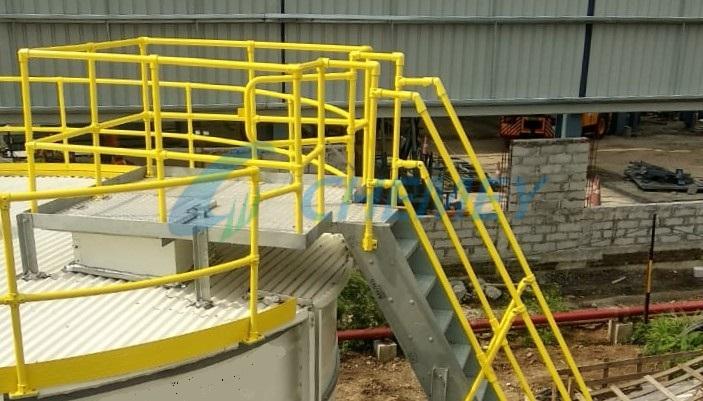
A common cause of industry injuries and fatalities is falls according to OSHA. Because falls are a common cause of injury and death, providing fall protection is important. One consideration for OSHA compliant fall protection is the use of safety gate fall protection. Fall protection safety gates are useful in minimizing fall risks and preventing workplace accidents. To avoid employee injuries and fatalities in the workplace, here are three key safety gate fall protection installation areas: (1) Handrail or Guard Rail openings or Roof Access PointsSelf-closing safety gates are used at entryways through safety guard railings or installation into railings which surround equipment or machinery. Safety gates allow access yet provide fall protection. A self-closing gate protects access points to a roof. The safety gate fall protection systems are useful for ladder openings, stairs, walkway access, catwalks, and transition points to a different level roof. (2) Ladder Safety GatesProtecting the entrance of a ladderway is key to preventing falls in your facility. One way to do this is with single side openable swing gates that attach to the guardrail system used to protect the elevated surface the ladder leads to. In fact, a self-closing gate is the preferred method of protecting ladder entrances in most facilities. Ladder safety gates and other types of self-closing gate must meet the general requirements per OSHA 1910.29. (3) Mezzanines or Other Industry Platforms: Pallet safety gateCertainly, protecting personnel working above and working below a mezzanine must be done without impeding the loading area. A mezzanine safety gate allows access to move materials and yet provide safe restriction to the loading area.Pallet gates open from the outside and allows pallets and other items to enter the mezzanine or platform with a forklift. Are Safety Gates Required by OSHA? OSHA’s new rule (November 2016) on walking-working surfaces and fall protection, OSHA states, “OSHA believes that double chains do not fully protect workers from falls at hole entrances, and therefore, is adopting the existing and proposed requirements that entrances to ladderway floor and platform holes have a self-closing gate or be offset to prevent workers from falling.” Therefore, according to OSHA, a gate is required at the top of all ladders. Below is the new OSHA code reflecting this requirement: 1910.28(b)(3)(iv) – Each employee is protected from falling into a ladderway floor hole or ladderway platform hole by a guardrail system and toe boards erected on all exposed sides, except at the entrance to the hole, where a self-closing gate or an offset must be used. EnduGate safety gates meet and exceed OSHA regulations for fall protection. Preventing falls by using safety gates is beneficial to your bottom line. If you have questions about safety gate fall protection systems, please reach out to us.