
Fall Hazard Risk Assessment matrix
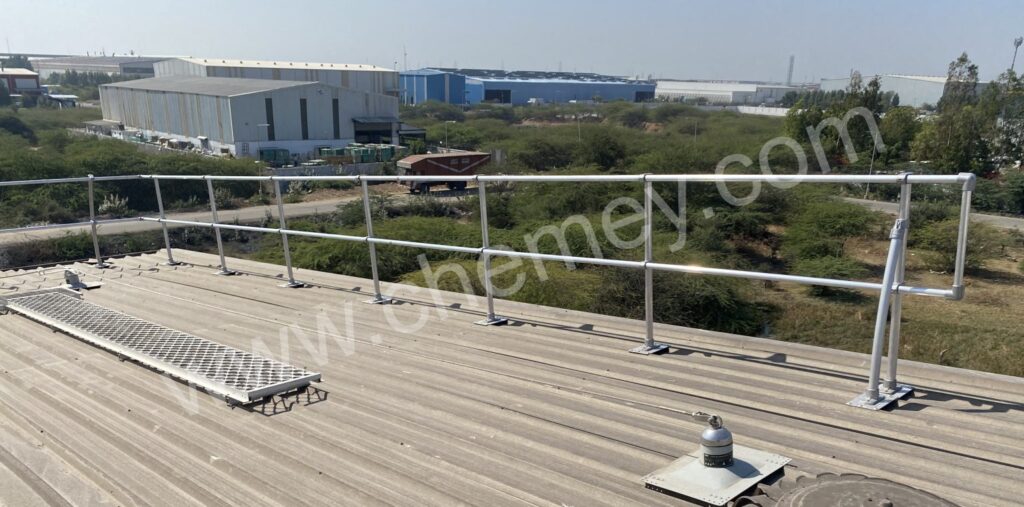
For Access Point, Unprotected Skylight, and Unprotected edges A Risk Assessment Matrix is a tool used to assess the likelihood and severity of potential hazards in a workplace and can be used to determine appropriate risk control measures. When applied to the three areas of fall hazards as per OSHA (access points, unprotected skylights, and unprotected edges of buildings), a risk assessment matrix can help employers identify and prioritize the risks associated with these hazards and determine appropriate control measures. Here’s an example of how a risk assessment matrix could be applied to the three areas of fall hazards : Risk Assessment Matrix OSHA Clause – 1910.28(b)(13) Work on low-slope roofs Risk Assessment is based on 2 factors. Severity of consequences – How life-threatening is it? Likelihood – frequency of exposure. Risk = Severity of consequences X Likelihood One should prioritize Risk Assessment based on the critical danger and how frequently workers are exposed to that area. Access Points: Likelihood of occurrence: High Severity of consequences: High Control measures: Employers should implement guardrails, safety nets, or personal fall arrest systems to prevent falls from access points. Unprotected Skylights: Likelihood of occurrence: Low to Moderate Severity of consequences: High Control measures: Employers should cover or guard skylights with a screen or railing that can withstand a force of at least 90 kgs applied at any point. Unprotected Edges of Buildings: Likelihood of occurrence: High Severity of consequences: High Control measures: Employers should provide guardrails, safety nets, or personal fall arrest systems for workers who are exposed to falls from unprotected edges of buildings. Guardrails should be capable of withstanding a force of at least 90 Kgs applied at any point. In conclusion, a risk assessment matrix can help employers identify and prioritize the risks associated with fall hazards in the workplace and determine appropriate control measures for each hazard. By implementing engineering controls like proper Access Platforms, Walkways, Guardrails, and Skylight Covers employers can help prevent falls and protect the safety and health of their workers. Workers should be trained on the use of equipment and emergency response in the event of a fall. Employers should regularly inspect and maintain equipment to ensure it is in good working condition. Would you like to know more about emerging technologies and trending solutions for fall protection when working at heights? Or Do you need a custom quote? For more information, call +91 9099033719 or send an e-mail to contact@chemey.com Follow us on Facebook | Instagram | Linkedin | Twitter
Evaluating Safety Equipment Suppliers
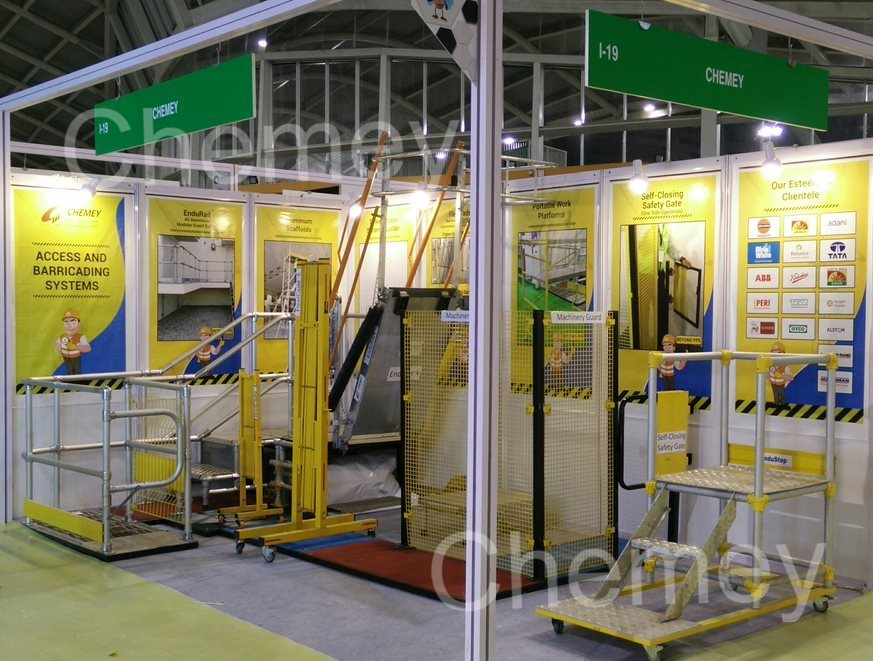
The safety equipment industry is constantly evolving to meet the emerging trends and challenges in workplace safety. Here are some points that need to be considered when you are evaluating safety equipment suppliers for revolutionizing workplace safety Is the supplier remain updated with emerging trends and challenges in the safety equipment industry? Is the supplier known for their innovative products and cutting-edge technologies? Is the supplier using cutting-edge technologies in safety gear manufacturing? When searching for safety equipment / fall protection system suppliers, you can also check online blogs or industry-specific needs and standards. These resources can provide you with more options and information on suppliers’ capabilities and who may offer you the correct products and services to meet your specific safety needs. Chemey always remains updated, guides the users for the changes, and incorporates those changes in their manufacturing so that they can offer products with emerging trends as per international requirements. The following are new Norms in Guardrails and Safety Gates which one should be aware of when selecting Handrails and Safety Swing Gates for their workplace. A) OSHA – COMPLIANCE of Guardrail (New Norms) The section of the OSHA code that specifies most of the primary guardrail requirements and relates to safety railing is 1910.29. Specifically, the following sections are the most relevant to railing and guardrails for fall protection. 1910.29(b)(1)The top edge height of top rails, or equivalent guardrail system members, are 42 inches (107 cm), plus or minus 3 inches (8 cm), above the walking-working surface. The top edge height may exceed 45 inches (114 cm), provided the guardrail system meets all other criteria of paragraph (b) of this section 1910.29(b)(2) Mid rails, screens, mesh, intermediate vertical members, solid panels, or equivalent intermediate members are installed between the walking-working surface and the top edge of the guardrail system as follows when there is not a wall or parapet that is at least 21 inches (53 cm) high: 1910.29(b)(3)Guardrail systems are capable of withstanding, without failure, a force of at least 200 pounds (890 N) applied in a downward or outward direction within 2 inches (5 cm) of the top edge, at any point along the top rail. 1910.29(b)(4)When the 200-pound (890-N) test load is applied in a downward direction, the top rail of the guardrail system must not deflect to a height of less than 39 inches (99 cm) above the walking-working surface. 1910.29(b)(5)Midrails, screens, mesh, intermediate vertical members, solid panels, and other equivalent intermediate members are capable of withstanding, without failure, a force of at least 150 pounds (667 N) applied in any downward or outward direction at any point along the intermediate member. 1910.29(b)(6)Guardrail systems are smooth-surfaced to protect employees from injury, such as punctures or lacerations, and to prevent catching or snagging of clothing. 1910.29(b)(9)Top rails and mid-rails must be at least 1/4 inch (0.6 cm) in diameter or thickness. 1910.29(f)(3)Surfaces. Handrails and stair rail systems are smooth-surfaced to protect employees from injury, such as punctures or lacerations, and to prevent catching or snagging of clothing. 1910.29(k)(1)A standard toe board shall be 3 1/2 inches in vertical height from the top edge to the bottom level of the floor, platform, runway, or ramp. B) OSHA-COMPLIANCE of SAFETY GATES (New Norms) OSHA’s new rule (November 2016) on walking-working surfaces and fall protection, OSHA states, “OSHA believes that double chains do not fully protect workers from falls at hole entrances, and therefore, is adopting the existing and proposed requirements that entrances to ladderway floor and platform holes have a self-closing gate or be offset to prevent workers from falling.” Therefore, according to OSHA, a gate is required at the top of all ladders. Below is the new OSHA code reflecting this requirement: 1910.28(b)(3)(iv)Each employee is protected from falling into a ladderway floor hole or ladderway platform hole by a guardrail system and toe boards erected on all exposed sides, except at the entrance to the hole, where a self-closing gate or an offset must be used. 1910.29(b)(13)When guardrail systems are used around holes that serve as points of access (such as ladderways), the guardrail system opening: 1910.29(b)(13)(i)Has a self-closing gate that slides or swings away from the hole, and is equipped with a top rail and mid rail or equivalent intermediate member that meets the requirements in paragraph (b) of this section. Would you like to know more about emerging technologies and trending solutions for fall protection when work at heights? Or Do you need a custom quote? For more information, call +91 9099033719 or send an e-mail to contact@chemey.com Follow us on Facebook | Instagram | Linkedin | Twitter
Why do you need to protect skylights on a roof?
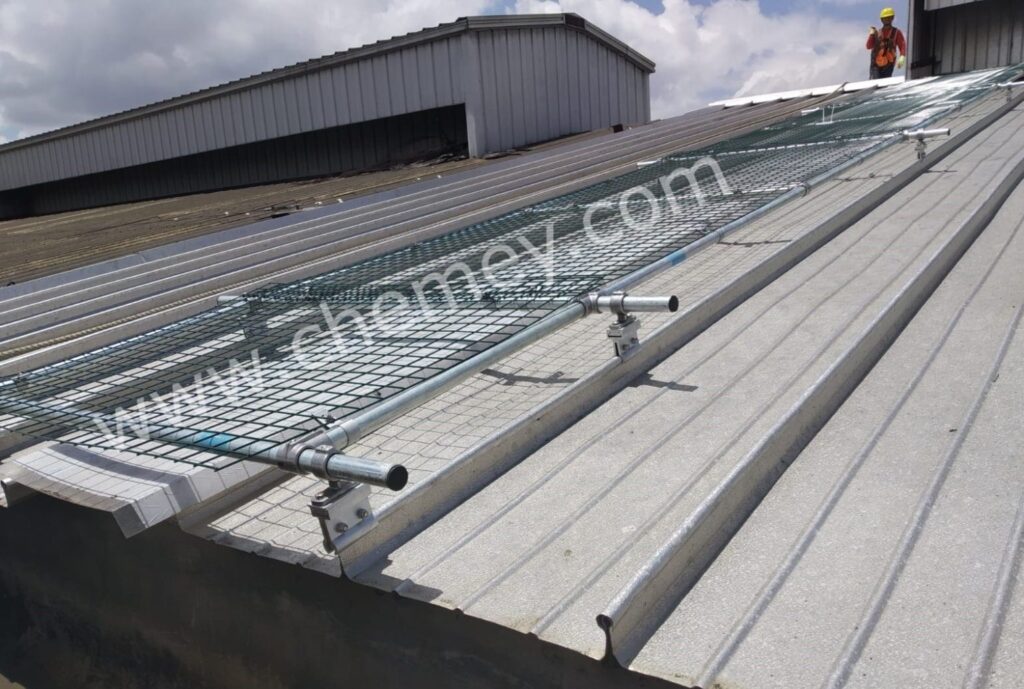
Skylights are a great way to introduce natural light to your facility, reduce operating costs, and increase employee morale. However, they pose a significant safety hazard. Skylights can inadvertently pose a risk of falling. Generally, these elements made of polycarbonate or fiberglass are considered non-vulnerable. However, this rule only applies during the construction phase of the building. Once the building is handed over, skylights and roof windows are still considered vulnerable. Why is that? Material strength lossFall protection not only depends on the strength and durability of the skylight material itself but also on all aspects of the installation. Even if there is no loss of strength in the polycarbonate, the installation may have been compromised. Degradation processPolycarbonate and fiberglass sheets are extremely strong and durable but can experience premature failure with serious consequences. Plasticizers, contact with steel, or even sealants & tape can accelerate the degradation process and weaken the polycarbonate. Prolonged exposure to weather conditions, particularly UV radiation, also weakens the structure and accelerates the degradation process. Industrial safety consultants and auditors will recommend long-term fall protection for skylights because there is not enough control over factors that influence the degradation process of polycarbonate and fiberglass skylight material, and its strength can be compromised. More information on shielding skylights : OSHA defines a rooftop skylight as a hole in the roof surface and a hazard to anyone working or walking on the rooftop. Having the right fall protection to guard skylights is critical to ensure that any work area or walking surface is safe. Thankfully, there are a couple options to provide the best skylight fall protection. Advantages Of Skylight Screens Variety: Skylight screens are available in galvanized or powder-coated weldmesh with many grid sizes. This can withstand harsh weather conditions, such as rain, snow, ice, and other building materials. They also offer longer protection against falls and pass the test of time. Safety: skylight screens are OSHA compliant and provide safety when necessary. These screens are easy to install and don’t penetrate the roof, thus maintaining their integrity. Moreover, skylights prevent falls and lacerations and risks for anyone below them. Passive protection: skylight screens offer passive protection. This means your facility workers don’t need any training or certifications. Skylight screens are durable, can last for years, and withstand harsh weather conditions. Moreover, they are easy to remove and install if maintenance is required. Would you like to know more about shielding skylights or Roof Skylight Safety Covers? Or do you need a custom quote? For more information, call +91 9099033719 or send an e-mail to contact@chemey.com Follow us on Facebook | Instagram | Linkedin | Twitter
Hazard Overview – Industrial Roof
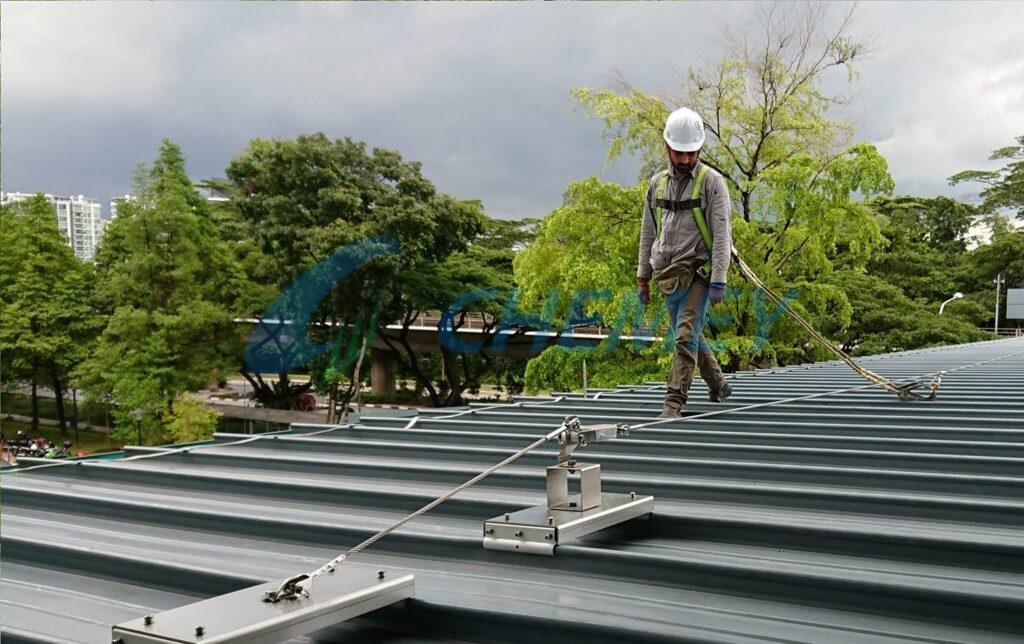
Fall hazards are one of the leading causes of workplace injuries and fatalities in the World. As per OSHA (Occupational Safety and Health Administration, USA), falls from elevated surfaces such as roofs, skylights, and unprotected edges of buildings are considered significant hazards. Here’s an overview of OSHA’s guidelines for fall protection measures related to access points, unprotected skylights, and unprotected edges of buildings: Access Points: Access points are locations where workers must climb to gain access to elevated work areas such as roofs, mezzanines, or platforms. OSHA requires that employers provide guardrails, safety nets, or personal fall arrest systems for workers who are exposed to falls of six feet or more. Employers must also ensure that access points are designed and maintained to prevent falls, including providing stable and secure ladders, scaffolds, safety gates and stairways. Unprotected Skylights: Skylights are a common feature of many roofs and provide natural light to interior spaces. However, unprotected skylights can pose a fall hazard to workers who may accidentally step on them or fall through them. Standards require that employers cover or guard skylights with a screen or a railing that can withstand a force of at least 90 kg applied at any point. Employers must also ensure that workers are trained to recognize and avoid the hazard posed by unprotected skylights. Unprotected Edges of Buildings: Unprotected edges of buildings such as roofs, edges, and balconies can pose a significant fall hazard to workers who are performing work or walking near them. OSHA requires that employers provide guardrails, safety nets, or personal fall arrest systems for workers who are exposed to falls of six feet or more. Employers must also ensure that guardrails are capable of withstanding a force of at least 200 pounds applied at any point and are designed to prevent workers from falling off the edge of a building. In summary, the law requires employers to provide appropriate fall protection measures for workers who are exposed to fall hazards such as access points, unprotected skylights, and unprotected edges of buildings. Employers must ensure that these hazards are identified, assessed, and addressed through the implementation of engineering controls, administrative controls, and/or the use of personal protective equipment. Employers must also ensure that workers are trained to recognize and avoid fall hazards and that equipment is properly maintained and inspected. CHEMEY is a trusted leader in fall safety solutions for the Industrial, logistics and manufacturing industry. Our dedicated team is here to help you tackle all areas where fall protection equipment can assist in making your workplace safer. We provide the highest level of quality and reliability in both products and guidance. Contact us today to learn more about how we can positively impact safety in your industry. Need help? Our team of professionals can guide you to find the ideal solution. We are there for you 24/7! Just call us on +91 79-26420786, +91 9099033711, +91 79-26427686 or email us: contact@chemey.com Follow us on Facebook | Instagram | Linkedin | Twitter
The Importance of Safety Gates in Enhancing Workplace Safety
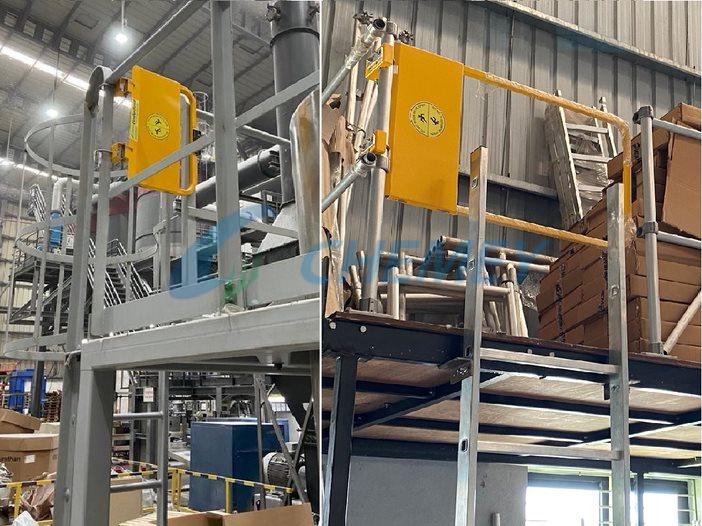
Safety gates are a crucial component of any workplace safety plan, as they can help prevent accidents, injuries, and fatalities. In this blog post, we will discuss the importance of safety gates, the different types of gates available, and how they can enhance workplace safety. Importance of Safety Gates Industrial swing gates are an effective and easy-to-install passive fall protection solution for a variety of industrial and commercial settings. Safety gates provide a barrier that prevents unauthorized access to restricted areas, machinery, and equipment. They can also help prevent falls from elevated areas and provide protection from hazardous materials. Safety gates are an essential component of any safety plan, as they can help prevent workplace accidents, injuries, and fatalities. They are also a cost-effective way to comply with safety regulations and standards. Here are some benefits you can expect from implementing industrial swing gates in your facility in different work areas: ROOFTOP SAFETY Workers who spend time on the roof completing tasks or doing inspections should be able to do so without the unneeded risk of injury or death. Installing Industrial swing gates is the best way to mitigate the risk of rooftop accidents occurring. An industrial swing gate should be used on all rooftop entrances for two reasons: One, they provide workers with an added layer of fall protection when entering and exiting the building. And two, they give authorized staff peace of mind that they can work to the best of their ability without the risk of falling unprotected. WALK AREA PROTECTION Industrial safety gates are the ideal solution for creating safe walking areas throughout your location. Many times, industrial buildings are filled with hurried activity. There’s a good chance that vehicles will be transporting materials, heavy machinery will be running and large amounts of material will be moving from place to place. Workers will need to be able to walk through the facility safely; gates can be used to create a designated walking path. The safety gates will keep the walkway protected from problems that could arise due to vulnerability. MAKE LADDER OPENINGS SAFE Ladders can be used in a variety of workplace settings to help complete important tasks, but can create some additional height risks for your employees. Consider investing in industrial safety gates for all ladder openings. When not in use, your ladders will remain secure. Installing industrial swing gates will simply add that extra layer of protection for your workers. GUARD YOUR ASSETS It’s not unusual for businesses to install swing gates for property protection. Industrial equipment and machinery are expensive and big investments that could affect the future of a company. All steps should be taken in an effort to keep these assets safe from damage. Swing gates can be used to prevent access by keeping all of your expensive equipment protected from incidentals or unauthorized usage. These gates can also be used to keep people from getting too close to dangerous machines. EXTRA PROTECTION FOR INDUSTRIAL ELEVATORS Safety gates are very effective with heavy-duty elevator use. Most elevators used in a warehouse or factory will be much longer than your standard consumer elevator. Due to the increased possibility of danger when riding inside of an open-air elevator, it is best to install safety gates to add that extra level of protection. This will greatly reduce the chance of an employee falling out and getting hurt. TYPES OF SAFETY GATESThere are several types of safety gates available, each designed to fit specific applications and needs. Chemey provides a range of safety gates, including: INDUSTRIAL SAFETY GATESIndustrial safety gates are designed for heavy-duty applications and can withstand harsh environments and extreme weather conditions. They can be custom-built to fit specific applications and can provide safe access to restricted areas, machinery, and equipment. Universal Safety Swing Gate Safety swing gates are an excellent solution for providing safe access to elevated areas, machinery, and equipment. They can be installed on stairs and other elevated platforms and can swing on one side to provide a clear pathway for employees.EnduGate self-closing gates are designed to provide an extra layer of safety by automatically closing behind employees as they pass through. They can prevent unauthorized access to restricted areas and provide protection from falls or restrict approach to Hazardous situations. It is available in 25 mm Square pipe structure with the ability to fix on any type of post up to 50 mm size. Adjustable Torsion Spring Gate This is similar to Universal Safety Spring Gate and is designed to provide an extra layer of safety by automatically closing behind employees as they pass through and having a mechanism for controlling the reversal speed. It is available in two pipe sizes – 33 and 42 mm OD pipes. The Spring is checked for 50000 cycles of repeated opening and closing operation as per BS 6375-2:2009. PALLET SAFETY GATE Pallet safety gates are designed to provide safe access to loading docks and other elevated areas where pallets are loaded and unloaded. They can prevent falls from elevated areas and protect hazardous materials. ENHANCING WORKPLACE SAFETY Safety gates are a crucial component of any workplace safety plan. They can help prevent accidents, injuries, and fatalities by providing a barrier that prevents unauthorized access to restricted areas, machinery, and equipment. They can also protect hazardous materials and prevent falls from elevated areas. By investing in safety gates, businesses can ensure that their employees work in a safe and secure environment. The benefits of safety gates will go further than just preventing accidents. It’s common for properly installed safety gates to actually increase productivity in the workplace. Employees who work in an environment that is properly equipped with safety gates have more freedom and confidence when completing tasks. In conclusion, safety gates are an essential component of any workplace safety plan. Chemey provides a range of safety gates, including industrial safety gates & pallet safety gates, that can be customized to fit specific applications and needs. By investing in safety gates, businesses
Enhancing Workplace Safety with EnduRail Railing – A Customizable Handrail Solutions
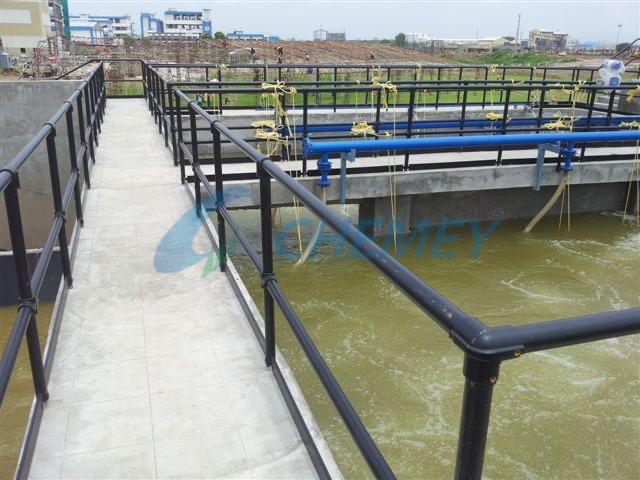
Creating a safe work environment is critical to the success of any business. Unfortunately, some companies choose the wrong products when it comes to implementing safety protocols. That’s where Chemey comes in. Our EnduRail Railing – Customizable handrail solutions are designed with ease of use, keeping its modularity. Our products do not require welding, making them easy to configure and assemble. With EnduRail, you can have peace of mind knowing that your workplace is safe and secure. We will discuss the importance of handrails and guardrails in the workplace and how EnduRail railing solutions can enhance workplace safety. Guardrails are an essential component of workplace safety. They are designed to provide a barrier between workers and hazardous areas. Guardrails can be used in various settings, including construction sites, manufacturing facilities, and warehouses. EnduRail railing is a leading brand of guardrails that provides maximum safety and security for workers with an aesthetic look and inbuilt safety. The EnduRail system is made of high-quality Aluminium alloys that are durable and require little or no maintenance. It is also customizable to fit the specific needs of different workplace areas, making it an ideal choice for companies looking to enhance their safety protocols. Handrails are another crucial component of workplace safety. They provide additional support for workers, especially in areas where there are stairs or elevated platforms. Customizable handrail solutions allow companies to create handrails that are tailored to their specific needs. For example, handrails can be designed to fit around machinery or to provide support for workers with disabilities. Handrails are also made of high-grade Aluminium alloy that can withstand saline and other corrosive environments, ensuring long-term safety for workers. When it comes to workplace safety, there is no one-size-fits-all solution. Every workplace is unique, and safety protocols must be customized to fit the specific needs of each workplace. This is where customizable handrail solutions come in. EnduRail can provide handrail solutions that are tailored to the needs of different industries and workplaces. EnduRail modular handrail solutions allow companies to create handrails that are safe, effective, and fit seamlessly into their work environment. In conclusion, handrails and guardrails are essential components of workplace safety. EnduRail railing and customizable handrail solutions are options that can enhance workplace safety by providing maximum protection for workers. By prioritizing workplace safety and investing in Endurail Modular safety solutions, companies can not only prevent accidents and injuries but also improve productivity and employee morale with the lowest lifecycle cost of capital investment. Need help? Our team of professionals can guide you to find the ideal solution. We are there for you 24/7! Just call us on +91 79-26420786, +91 9099033711, +91 79-26427686 or email us: contact@chemey.com Follow US On Facebook | Instagram | Linkedin | Twitter
Make Sure Your Workplace Is Up To OSHA Compliance on Fall Safety
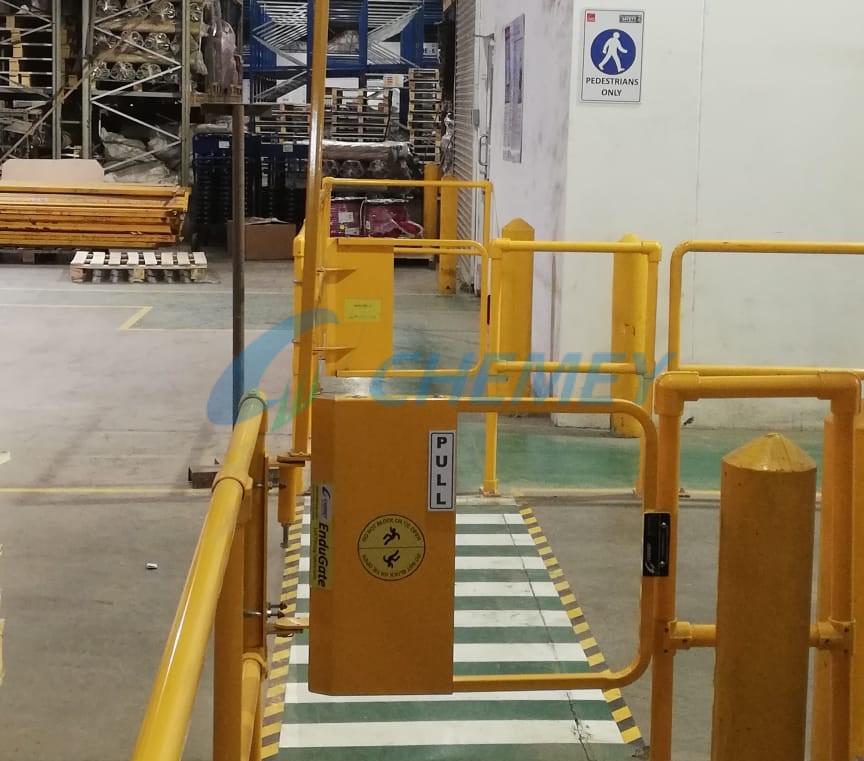
The effects of the COVID-19 pandemic impacted every industry. Now that the economy has seen a significant rebound, manufacturing and oil & gas production are in full swing again. Safety measures are critical now more than ever, and particularly those pertaining to fall safety. While addressing the danger of falls is critical in all workplaces, it’s a particular concern in chemical, oil/gas refinery, cement, and many other heavy manufacturing facilities. Continuous process facilities are bustling, structurally complex, and full of hazards subject to a variety of Safety regulatory requirements. There is dangerous equipment on-site, regular shipping and receiving through busy loading docks, and many elevated areas where fall risks are more present. WHAT MAKES FALL SAFETY SO IMPORTANT? Every accident has many consequences, the most important being that no employer wants to see workers hurt. Lack of safety compliance mean a potential work shutdown, and lost profits. Every slip, trip, and fall adds up to millions of lost workdays in a year. The independent survey estimates that about 20 percent of worker injuries in industry are due to slips, trips, and falls. Proactively creating and supporting a culture of safety in your workforce is vital, but simply reminding workers to watch their step is not enough. Fall protection equipment, including specialized pieces such as an adjustable safety gate or swing gate, is essential for ensuring worker safety and keeping production moving. To help you to understand and implement proper fall protection, let’s examine the top fall risk areas in industry/refinery facilities, then consider if your company has fully addressed each of those risks. AREAS OF FALL RISKS IN WORKPLACES A Manufacturing industry/ Refinery includes several important areas which present fall hazards. Regulations do not always specify which equipment you are required to use in each situation. But OSHA guidelines provide requirements that the gates and other equipment you choose must meet in each area: LADDERSLadders, either portable or affixed, are a common fall safety risk which OSHA addresses under 1910.23 – Walking-working Surfaces: Ladders. Each employer must look at situations where ladders are being used and identify the fall hazard associated with it. For example, fall protection is usually not required for a step ladder, but it will be if that step ladder is used on an elevated platform or in an area adjacent to an unprotected edge. Fixed ladders, like those commonly used in oil refineries, also need fall protection, like guardrails fitted with an industrial safety swing gate to provide access control and fall safety. ROOFTOPS AND ROOF ACCESS AREAS Workers may need to access your rooftop for maintenance, cleaning, or to perform work on rooftop machinery. Skylights, roof edges, and even stairways require protection to properly manage rooftop access. The railing and safety swing gate that protect each of these areas must have a height of 1050mm (plus or minus 75 mm) from the walking/working surface that they’re installed on. They must be capable of withstanding 90 kg of downward force upon the top rail without failure. They also require a smooth-finished surface that can’t snag worker’s skin, clothing, or equipment. You should also look at options which are non-penetrating, allowing you to place well-anchored gates and railings without damaging the integrity of your rooftops. LOADING DOCKSLoading docks are another busy area in a manufacturing plants / oil & gas refinery, and thus, another fall safety hazard. Fall protection for a loading dock usually comes in the form of a self-closing, adjustable loading dock safety gate system and thorough training of personnel, ensuring risk mitigation at a busy dock. The height and strength requirements for railings and gates in loading dock areas are the same as those for rooftop areas (see above). STAIRWAYSWhen a door or a gate opens on a stairway, there is a platform and the gate’s swing doesn’t interfere with workers on the stairs. An outdoor or indoor swing gate is ideal for this situation. Stairs must also be kept well-lit, dry, and free of debris, allowing maximum safety to workers as they move between the levels of your manufacturing/processing areas. MEZZANINESThe extra storage space created by these elevated platforms is extremely useful in many facilities, but they also present falling hazards. The same strong railing and safety gate requirements for roofs apply to mezzanines, and toe boards may also be required to help prevent small objects from falling into work areas below. Specialized pallet safety gate made for mezzanine use are your best option for access to these areas MACHINERY GUARDINGSafety swing gates are a great tool for controlling access and preventing falls around or onto the potentially dangerous machinery in your facility. They can also help keep unauthorized personnel out of restricted processing areas, improving plant security and protecting trade secrets. WHY SAFETY GATES MATTER The right safety gates will help employees, visitors, and contractors within your facilities to perform their function without fall and safely access the areas they need to. As outlined above, your facility has many areas with potential fall hazards, and the right Industrial safety gate choice can make the difference between being ready for a return to full production without struggling with safety problems. WHY SAFETY GATES ARE SUCH AN IMPORTANT SAFETY CONSIDERATION Simply put, Safety Swing Gates are the simplest, most effectively way to safely control access to the many areas in your facility, and to protect personnel from the fall risks they may encounter in each area. OSHA compliant safety gates keep workers safe on elevated areas and at the openings of stairways, ladders, mezzanines, and loading docks. There are many different types of OSHA-compliant gates with a specific purpose. Self-closing safety gates are passive fall protection, designed to automatically close every time the gate swings open. There is no risk of a worker forgetting to close the gate behind them. The equipment offers nearly continuous protection from leading edges. These gates are easy to mount in various positions and on handrails of all sizes. CHOOSING A GOOD SAFETY PARTNER Your worker
Key OSHA Standards for Work Platforms
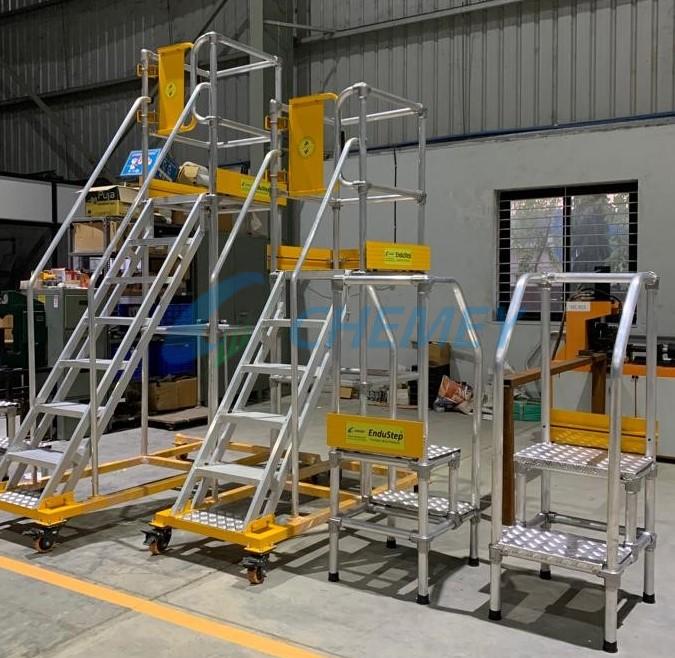
Key OSHA Standards for Work Platforms According to OSHA: “A platform means a walking-working surface that is elevated above the surrounding area.” Since January 2017 when OSHA completely rewrote the standard 1910 Subpart D: Walking Working Surfaces, it has been nearly impossible to get a straight answer on what fall protection needs to have to comply. The update on OSHA standards for work platforms established the requirement for employers to protect workers from fall hazards along unprotected sides or edges that are at least 4 feet above a lower level. It also established requirements for the performance, inspection, use, and maintenance of personal fall protection systems. Here is a list of important OSHA standards for work platforms that you may not be aware of 1. Any working surface 4 feet or higher must be protected with guardrails on all sides at least 42″ tall and have to withstand 200 pounds of force. OSHA 1910.29(b)(1): The top edge height of top rails, or equivalent guardrail system members, is 107 cm, plus or minus 8 cm, above the walking-working surface. The top edge height may exceed 114 cm.1910.29(b)(3): Guardrail systems are capable of withstanding, without failure, a force of at least 890 N applied in a downward or outward direction within 5 cm of the top edge, at any point along the top rail. One important distinction of OSHA 1910 Subpart D is that a guardrail is what is on top of the platform, whereas a handrail is what is along the staircase. Handrails have a different height requirement than guardrails. The guardrails must be on every open side of the platform. In instances where the platform is up against another vertical surface (such as the equipment being accessed), and that fully protects the opening, guardrails are not required on that side. In that case, it is still critical to ensure railing covers any gaps. When you’re performing maintenance tasks, there is a good chance you will be setting tools, parts, and hardware on the floor beside you. In order to prevent a tools and parts falling off the platform and smacking a coworker on the head, 100 mm tall toe boards are required on all open sides of the platform (excluding openings). Guardrail systems should also be capable of withstanding 890 N of force applied in a downward or outward direction. 2. The platform’s height cannot exceed 4x its base width without additional stabilizing support. OSHA 1910.23(e)(1)(vi): The maximum work-surface height of mobile ladder stands and platforms does not exceed four times the shortest base dimension, without additional support. For greater heights, one must use outriggers, counterweights, or comparable means that stabilize the Mobile Work Platforms and prevent overturning. If you need to access something at a great height but have limited space, consider a base with extended caster beams that can slide underneath your equipment and maintain this 4:1 ratio. These outriggers will provide enough of a base to keep your platform stable. If you’re working in an area where extended caster beams at the base of the system are prohibited due to ground-level interference, counter-balance weights may be used to provide the stability required. 3. Stairs should have uniform step interval of no more than 250 mm, a tread depth of at least 240 mm, and a width of at least 560mm. OSHA 1910.23(e)(2)(1): Mobile ladder stands, and platforms have a step width of at least 16 inches (41 cm). Steps are uniformly spaced and arranged, with a rise of not more than 10 inches (25 cm) and a depth of not less than 7 inches (18 cm). The slope of the step stringer to which the steps are attached must not be more than 60 degrees, measured from the horizontal; 4. Self-closing safety gates are always required around openings (such as ladder holes), unless the opening is offset and nobody can fall directly through the hole. OSHA 1910.29(b)(13): When guardrail systems are used around holes that serve as points of access (such as ladder ways), the guardrail system opening (b)(13)(i) has a self-closing gate that slides or swings away from the hole, and is equipped with a top rail and mid-rail or equivalent intermediate member, or (b)(13)(ii) is offset to prevent an employee from walking or falling into the hole. Self-closing safety gates are critical for OSHA compliance; you have to ensure that your technicians cannot back through a hole in the guardrail or push the safety gate open without intending to. This is most commonly encountered at the top of ladders. Safety gates are often spring loaded and open inward then close behind you when you enter the platform. For extra safety precaution, consider using an interlock mechanism to ensure the safety gate cannot be opened when it’s unsafe. Staircases only require a safety gate when they are not attached to a platform In this instance, you must have 22” of clearance on the platform to allow the user to open the safety gate inward and be able to close it behind them. 1910.25(b)(5)(ii): When a door or a gate opens directly on a stairway, a platform is provided, and the swing of the door or gate does not reduce the platform’s effective usable depth to less than 56 cm for platforms installed on or after January 17, 2017. While staircases that are connected to a larger platform do not require a safety gate, one may be added to your system if desired. 5. The platform must be capable of supporting at least four times its rated capacity. OSHA 1910.23(e)(1)(iii): Mobile ladder stands and platforms are capable of supporting at least four times their maximum intended load. Load rating requirements vary depending on the need and how many people/how much equipment will be on top of the system at a time. Regardless of it, the system will be designed to withstand 4x the rated load before failure. This is proven out through engineering analyses or physical load testing during the design and manufacturing process. The number
How to Make the Right Choice When Buying or Installing Guardrail?
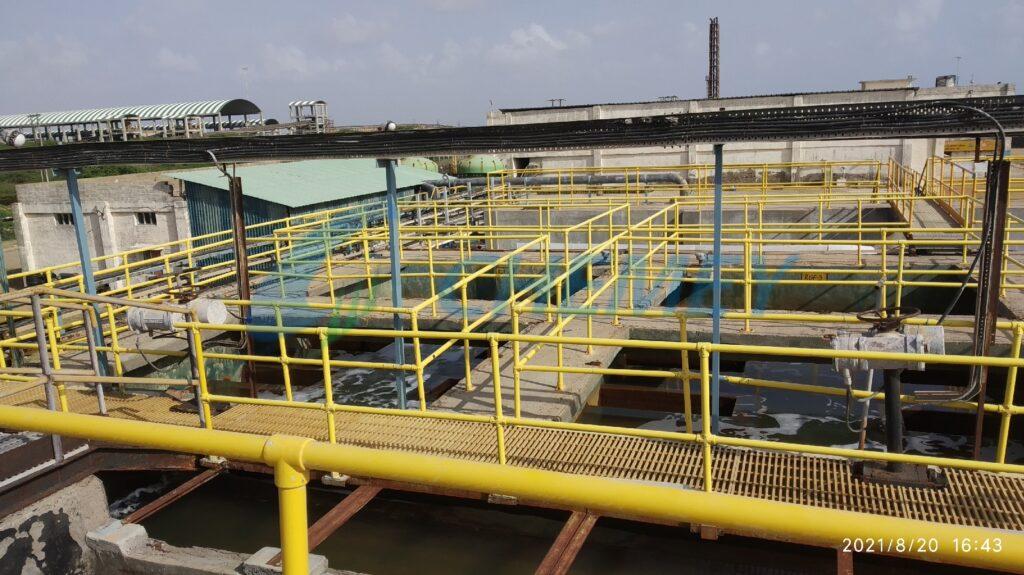
What do you do when you need something? You Google it right! When you need a guardrail, selecting the suitable barrier requires more involvement than initially expected. It can be overwhelming with so many options. You find out that there are so many options available. GI, SS, FRP Aluminum, Welded, Non-penetrating, … The possibilities go on. With all of this in front of you, how do you make the right choice? You should consider many points and features available while you make this decision. 1. What is the application of the guardrail?2. Where do you need the guardrail?3. how long do you need the guardrail to last?4. What codes apply to your guardrails?5. How fast do you need the guardrail to install?6. How do you want the guardrail to look? We’ll review each area you should consider while making this decision. 1. What is the application of the guardrail? It’s a simple question but an important one. There are a few factors that will change the type of guardrail that you need.If you need the industrial guardrail for protection, then you need to make sure that the guardrail meets the standards applicable to you, like BIS, OSHA, or EN. The type of protection you need would also change the guardrail you want. We suggest using a 40 NB Structural Fittings based modular pipe guardrail for fall protection. However, the size and code will change if you want a more robust barrier system to protect people from forklift traffic. If you need to use it as a warning line, then the requirements are easier to manage by light duty handrail. Then it would help if you considered whether the guardrail would be temporary or permanent. For example, if you plan on taking the guardrail down when the work is done, then you want to focus on temporary guardrails like a parapet clamp guardrail or temporary guardrail. On the other hand, if you wish for the guardrail to remain in place so that the working or walking surface is always protected, then you want a system designed to stay in place. 2. Where is the guardrail going? The most common locations that we see are STP, ETP, WTP, Industrial Buildings perimeter, Solar rooftop, and machine guarding. Other potential sites include a mezzanine, a dock, or inside a warehouse. Each location has its own set of considerations that would change the guardrail you choose. Weather plays a role in the system that you choose. Saline and water-rich areas, corrosive gas fumes, snow, and heavy rain will corrode the material if you don’t choose carefully. If you live in a windy area, you’ll want to ensure that any system is designed to meet your local requirements. Ensure that you take this into account so that you don’t have a guardrail flying off your structure, damaging equipment, or, more importantly, putting lives at risk. The roof material will influence how you want to mount a guardrail. If you have a roof warranty, you don’t want to lose it by poking holes in the roof. If you don’t have a roof warranty, then you don’t want to exasperate potential roof leaks by poking holes in the roof. A complete modular aluminum lightweight guardrail constructed from tube clamp fittings is an ideal solution. 3. How long do you need the guardrail to last? You may think this is a meaningless question, but I see the answer to this is ignored more often than you realize. A cheaper short-term solution will cost less initially, but when you consider money, energy, and time spent on maintenance and replacing that mean stuff, it becomes more costly. Guardrail is not immune to this problem. Some options are temporary and used for permanent solutions because they are cheaper. However, those savings come at a cost. Powder-coated steel will not last as long as galvanized steel, and you will have to replace the railing sooner than you expect. Welding has pros and cons as well. The weld points will be an area of accelerated corrosion despite galvanization. Aluminum and SS 316 do not rust and provide a better life in a humid and corrosive environment. If you only need it for a year or two, then buying a lower-quality option may make sense. However, if you want something that will protect people long, you need to stop and ask yourself if the option you’re considering will do just that. 4. What codes apply to your guardrail? We found a lack of understanding, most often in this area. We noticed in India IS 4912 code is ancient and needs updating as per OSHA or EN code. They talk about a lot and set the minimum safety standard that employers must provide. For rooftops, we do not have any set standards. Edge protection and safety in roof work require an area of consideration. Check your local regulations and company standard to select the correct guardrail.You might have a presumption that welded railing only offers good strength. Still, proven evidence is that EnduRail built from Structural Fittings and slip-on pipe fittings, has surpassed the load requirement of OSHA and EN standards if configured correctly. 5. How fast do you need the guardrail to install? Installing guardrails is part of project management. Procurement and execution both involve proper detailing. Mild steel welded guardrail needs site welding, grinding, and post-fabrication sandblasting and painting. All are time-consuming and skilled staff requirement jobs. Prefabricated GI railing management is not easy. You have to consider volume management and transit damages. If a small part needs modification or procurement, the handover process will get delayed and, in turn, project. A modular aluminum guardrail system is easy to procure, manage and install without a skilled workforce. Procure structural fittings and pipes in pre-coated finish and start the installation as the project progresses. On-site modification and dismantling are also easy if required. 6. How do you want the guardrail to look? Why does the look of the guardrail matter if safety is the only important thing?
Roof Safety: Solar Rooftop Walkway | Chemey
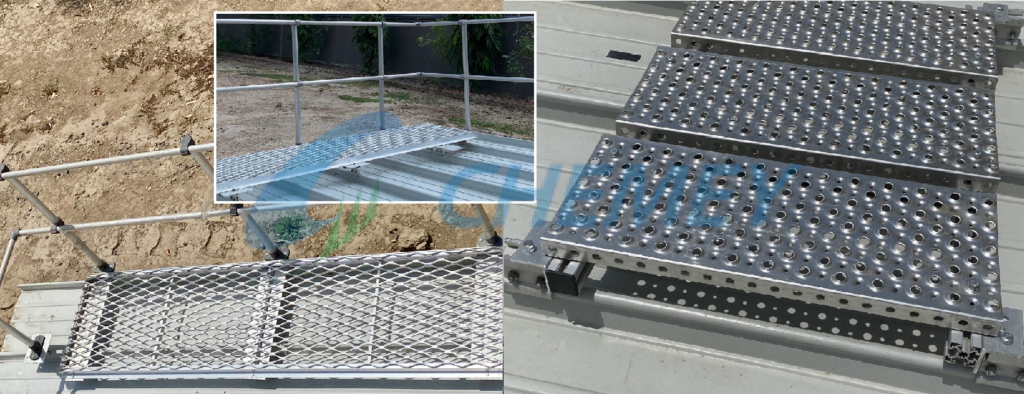
Roof safety is a system of preventive and safety measures when performing work and repairs on rooftops. Roof safety should be practiced while on the job to avoid personal injuries and structural damage. Performing roof work exposes workers to risks such as falls, which are the leading cause of death in industry. As rooftop solar installations grow, so grows the need to access the roof safely. Part of passive fall protection product for roof top safety is having a proper rooftop railing installed. On a metal roof there are other safety concerns also. The metal roof may not be designed for people to be walking on any part other than the seam or purlins.Additionally, the metal ribs/crestcan cause a significant trip hazard. EnduPlank/EnduGrate rooftop walkway is a solar rooftop walkway solution that is primarily designed to attach to metal roofs. It connects to the standing seam or corrugated industrial troughed roof top using clamps and screws. These sections can easily be laid down to form a walkway around rooftop solar panel installations. With a variety of mounting methods available, Endu Plank works on virtually any roof surface. Endu Grate can be installed on almost every profile of metal roof with our variety of mounting options. Our rooftop walkway can be paired with an integrated railing and crossover work platform and stairs to completely protect your workers as they access your roof. Chemey’s Solar Rooftop Walkway System “EnduPlank” can be installed with OSHA compliant guardrail. That both together protects workers from slips as well as roof edges and other hazards. The EnduPlank solar roof top walkway system is fully compatible with all horizontal lifeline systems to yield free standing walkways. Additionally, it is easy to cross Roof Skylight Safety Cover when it comes along the way and provide additional safety over that area. Features: Works on Industrial troughed profile and standing seam metal roofs Provides a non-slip, level surface for workers to safely access rooftop equipment Can be leveled to any flat or sloping roofs Pair with OSHA compliant guardrail or lifeline for 360° protection on any roof OSHA 1910.28(b)(13) Compliant Other Roofing Safety Tips: Discuss common hazards & assess the condition of the work area. Confirm that proper permits have been secured, and encourage the team to verbalize the safety tips to follow Work only during good weather conditions and avoid extreme heat/cold Approach ladders should be stable and properly secured or tied off Wear proper PPE Carefully position ropes and extension cords used for maintenance tools & equipment so they’re not underfoot Use rooftop guardrails whenever possible Skylights should be covered &guarded appropriatelySignage should be visible in your work area Clean up the roof before and after work and make sure it is clear of dirt and debris Installing permanent rooftop walkway is a wise choice when making your industry a better and safer place to work for your employees. If you are confused that which standard to follow and what walkway is safe to install on your rooftop, that makes your employees, workers, inspectors, and managers safe, get in touch with us for Endu Plank Solar Rooftop walkway inquiries. Need help? We have a team of professionals that can help you sort through each of these questions to find the right solution for you. Follow US On Facebook | Instagram | Linkedin | Twitter